Understand the broad code families, the checklist to try at home, and when it is time to call a technician.
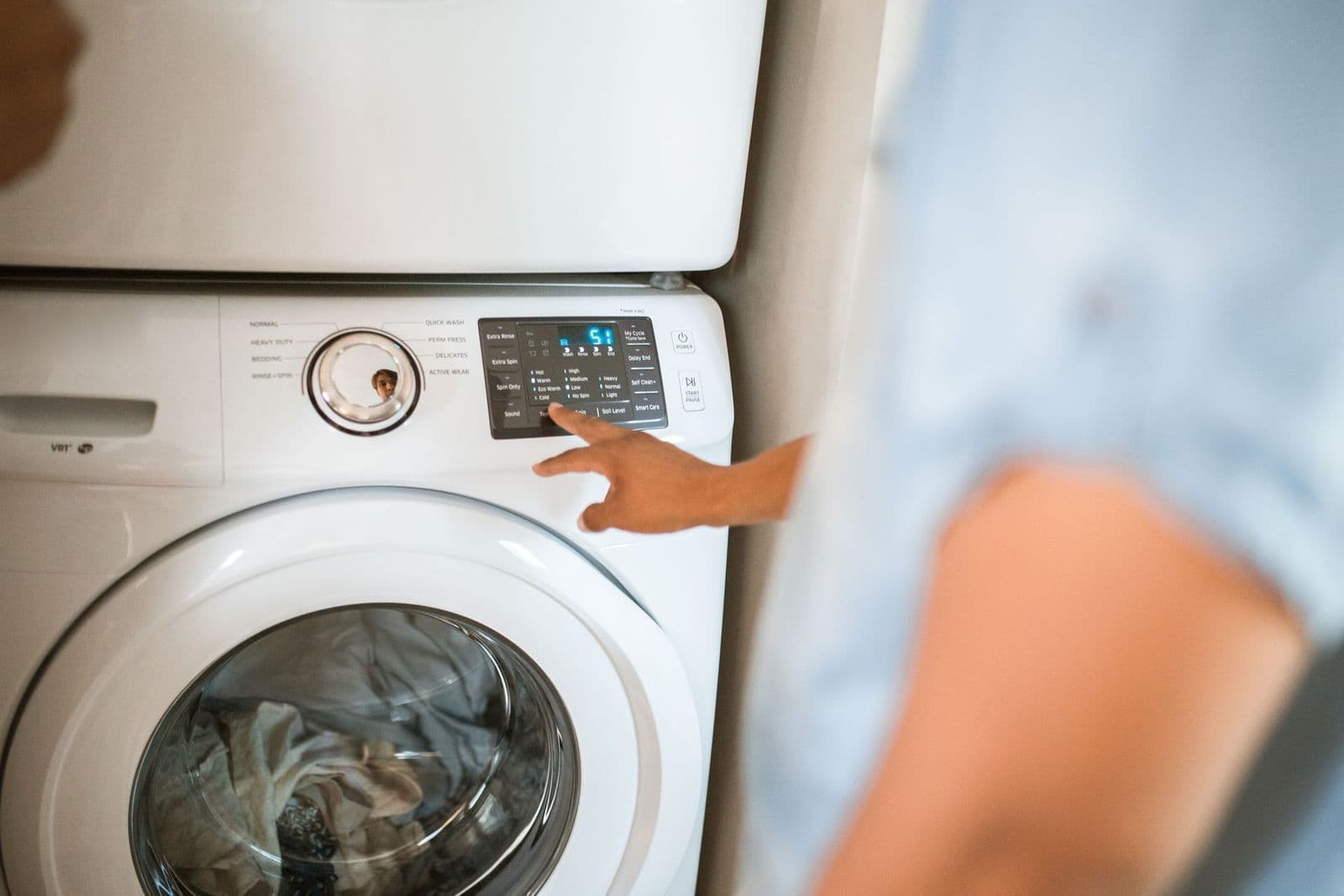
Why these codes appear
Modern appliances self-diagnose continuously. Water-level sensors, temperature sensors, door switches, motors and control boards talk to each other constantly: when a value drifts outside normal ranges, the appliance flashes a code and interrupts the program.
An error code is therefore a clue, not a verdict. The same code can point to different problems depending on the manufacturer, the product series and sometimes the manufacturing year. That is why checking the manufacturer’s manual (or the sticker often glued inside the door), remains step one.
Keep in mind as well that some codes flag a one-off event, such as a power surge or a temporary load imbalance. Those clear after a full restart. Others, however, come back every single time: there, a real fault is present.
The five code families to know
Despite the diversity of manufacturers, almost all codes fall into five families. The first covers door or lid locking: a grimy mechanism, a shifted gasket or a worn latch prevents the program from starting or continuing.
The second family involves draining and water evacuation: a kinked hose, a pump filter clogged with lint and debris, or a partially blocked trap. The third groups power-supply anomalies, notably after an outage or a tripped breaker.
The fourth family gathers sensors (temperature, moisture, water level, turbidity), returning inconsistent values. The fifth, finally, flags load imbalance: a comforter bunched up on one side of the drum can be enough to stop the spin cycle.
Your checklist before calling
Start by identifying the exact code and the appliance’s model number, then check the troubleshooting section of the manufacturer’s manual. These two pieces of information speed up any technician visit considerably.
Next, try a full power cycle: unplug the appliance or switch off its breaker for a few minutes, then restore power. This gesture clears transient electronics-related codes. Right after, confirm that doors and drawers close properly, that filters are clean and that supply and drain hoses are neither kinked nor crushed.
Finish at the electrical panel: a half-tripped breaker feeds the machine poorly and generates power-related codes. If the code reappears after this complete sweep, stop there: repeated resets on a real fault risk making things worse.
When the code returns after the reset
A code that comes back after a full restart almost always indicates a physical cause: a worn part, a failing sensor or a persistent obstruction. That is when a technician specialized in appliances should step in, equipped with advanced diagnostic tools and common parts.
Prepare the visit: jot down the exact code, how often it appears, where in the cycle it shows up and what you have already tried. These details often let the technician arrive with the right part on the first trip and avoid a second visit.
One last compliance reminder: servicing an appliance belongs to specialized technicians. If the cause turns out to be in the installations themselves (outlet, dedicated circuit, shutoff valve, gas line), executing that work goes through a verified RBQ-licenced contractor.
Verified and sourced
Verified on September 27, 2026
Official sources
What these numbers do not cover
Codes vary by manufacturer and unit generation; only the manual for the model in question prevails.