Washer and dryer: the habits that change everything
For the washer, the highest-value habit remains regularly inspecting the water supply hoses. Look for bulges, cracks or weeping near the fittings, and make sure the shutoff valve turns freely. A hose that bursts while you are away means full-scale water damage.
Clean the detergent dispenser and leave the door slightly open between loads so the gasket dries out and resists mould. Avoid overloading the drum: overload prematurely wears the suspension system and strains the motor during the spin cycle.
On the dryer side, empty the lint filter after every load and have the exhaust duct to the outside checked periodically. A congested duct lengthens drying times, wears the appliance down and is a recognized fire hazard.
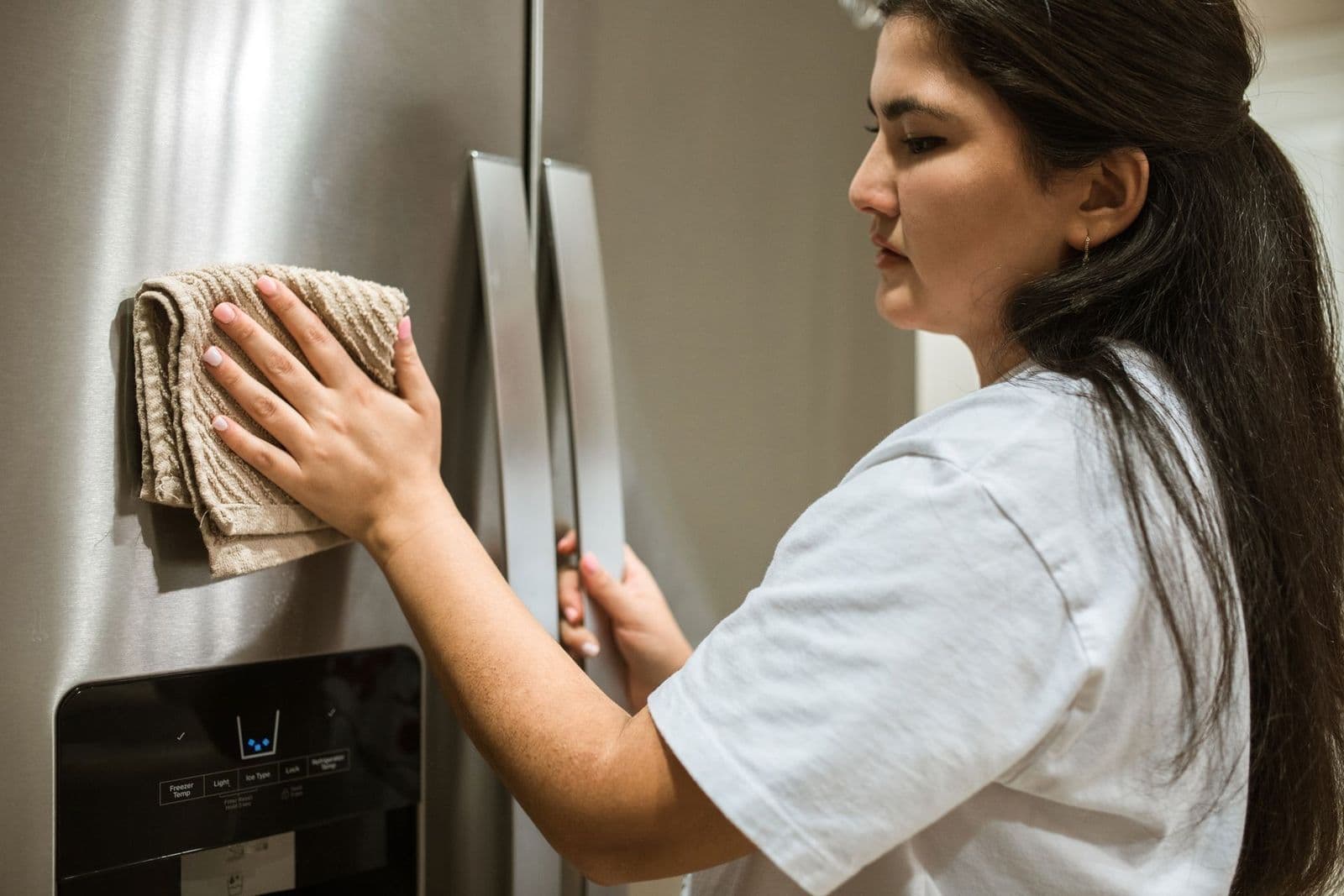
Refrigerator and freezer: gaskets, coils and airflow
Condenser coils, located at the back or underneath depending on the model, collect dust and pet hair. Vacuumed once or twice a year following the manufacturer’s instructions, they reduce the compressor’s load and the machine’s overall wear.
Test door gasket tightness with the paper-bill trick: slide a sheet of paper into the closed door; if it slips out without resistance, the gasket no longer seals properly and the compressor works for nothing. A replacement gasket costs far less than years of inflated electricity bills.
Finally, respect airflow: leave a gap between the back of the appliance and the wall, and avoid packing the shelves so tightly that cold-air circulation gets blocked. An overloaded fridge struggles to maintain the even coolness targeted by the manufacturer’s recommended settings.
Dishwasher and stove: preventing silent failures
At the bottom of the dishwasher, the filter traps food scraps and debris; rinsed regularly, it prevents most drainage problems. Check the spray arms too: one hole plugged by a grain of rice or a label fragment throws off the wash for the entire load.
On the stove, keep burners clean and their openings clear for an even flame. For the oven, inspect the door gasket: a tired gasket leaks heat, lengthens cooking and works the heating element harder.
These habits do not replace professional diagnostics when something seems off, but they push back significantly the moment a visit becomes necessary. Maintenance always costs less than replacement: not counting the water damage and spoiled groceries avoided along the way.
Professional maintenance: when and why to hand over
Some signals justify a professional visit even while the appliance still runs: a new noise during the spin, cycles stretching longer, a burning smell, the occasional small puddle under the machine. Acting before the full breakdown costs less and avoids the emergency.
Who intervenes? Technicians specialized in appliances, trained on these exact machines. And if maintenance or correction touches the installations themselves (a dryer’s gas line, a dedicated electrical circuit, supply plumbing), that work must be executed by a verified RBQ-licenced contractor.
For landlords managing building portfolios, the stakes multiply by the number of units: every failing washer or fridge becomes a tenant emergency or even a lease turnover. A per-unit maintenance calendar turns those emergencies into planned interventions, with upkeep costs that remain indicative ranges to be confirmed on site.
Verified and sourced
Verified on September 27, 2026
Official sources
What these numbers do not cover
Stated service lives are manufacturer averages, not a guarantee: maintenance extends life without guaranteeing it.