How to recognize a frozen pipe, thaw it safely, and know when to call a verified RBQ-licenced contractor.
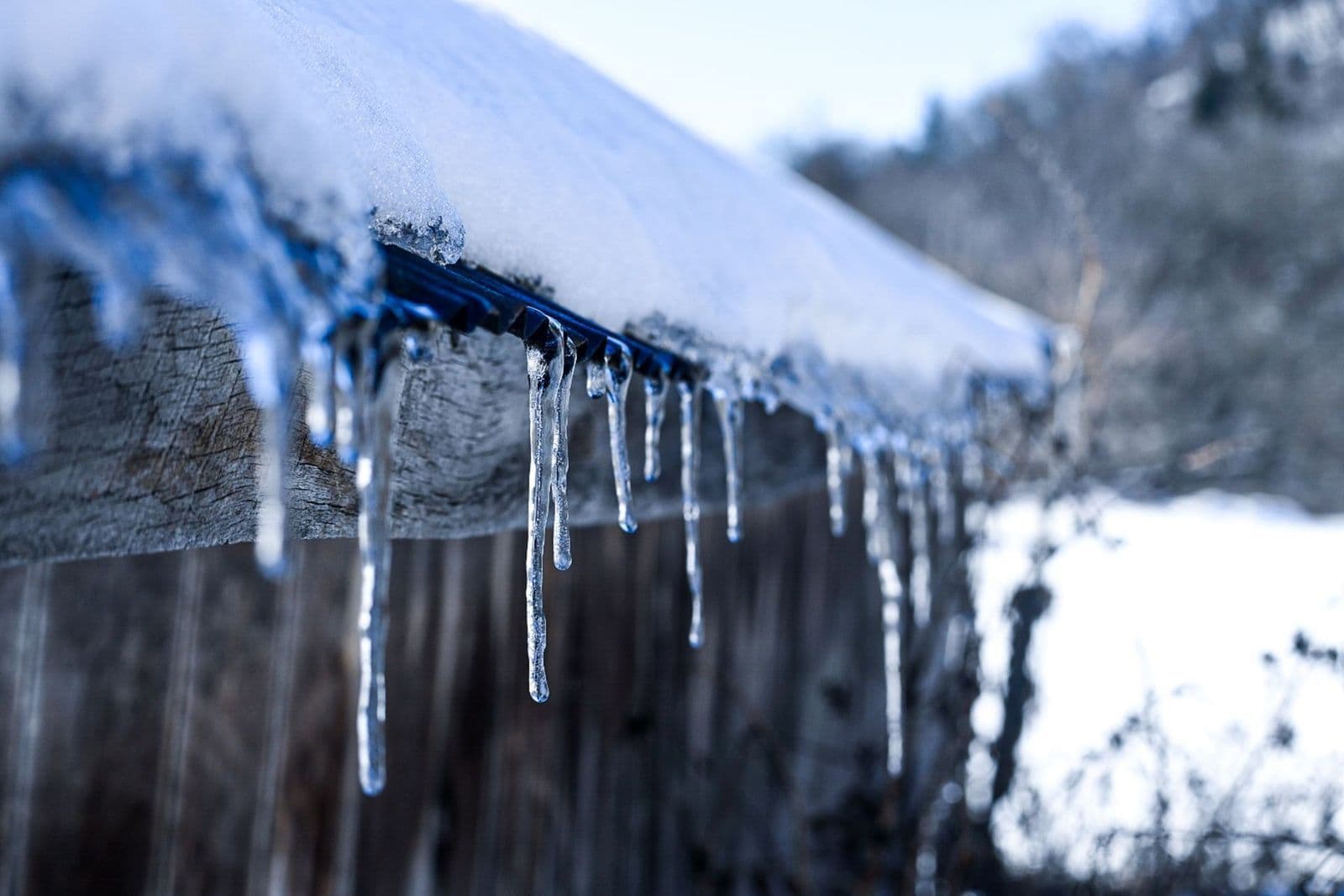
Spotting a frozen pipe before it bursts
The most common warning arrives at the faucet: you open it fully and only a trickle comes out (or nothing at all), while every other tap works normally. That faucet is fed by a line where water has frozen somewhere between the meter and the spout.
Other signs worth watching for: visible frost on an exposed pipe, a pipe section abnormally cold compared to the rest, or a slight bulge. The most vulnerable spots run along exterior walls, crawl spaces, unheated garages and cabinets under windows.
The earlier you catch the freeze, the simpler your options. An intact frozen pipe can sometimes be thawed without damage; a frozen pipe that has already split turns every passing minute into litres on the floor. When in doubt about the line’s condition, close the main valve and get ready for a professional visit.
What to do, and above all what not to do
The principle of a safe thaw is patience: warm the room around the line (open the cabinet door, raise the ambient heat, aim a fan at the cold zone) and let the ice give way slowly. A towel soaked in hot water laid over the frozen section also does gentle, effective work.
What you must never do: apply open flame, a propane torch, a red-hot heating element or any brutal heat source to the pipe. On one hand, sudden expansion can crack the line or unsolder a fitting; on the other, heating a wall or combustible surface next to plumbing creates a genuine fire risk.
If water flows normally again after a gentle thaw, let a pencil-thin stream run through subsequent cold nights and keep an eye on the area. If flow does not return, if you hear a suspicious noise behind the wall, or if water shows up where it should not: close the main valve and move to the professional step.
When to call a verified RBQ-licenced contractor
Three situations call for help without delay: the frozen line is inaccessible (inside a wall, ceiling or floor), the pipe has already burst, or the freeze repeats at the same spot every cold snap. In each case, DIY fixes nothing and can compound the damage.
A verified RBQ-licenced contractor can locate the freeze point, thaw the line with proper equipment, repair a damaged section if needed, and above all identify why that spot freezes: air leakage, insufficient insulation, poorly routed piping. Fixing the cause keeps you from replaying this scenario at the next deep freeze.
As a reference point, an urgent plumbing intervention related to freezing generally sits within an indicative range of $180 to $2,500 depending on complexity: an indicative range to be confirmed on site. Nordis matches you quickly with a vetted professional covering your sector, day or evening.
Verified and sourced
Verified on September 27, 2026
Official sources
What these numbers do not cover
No cost is guaranteed here: the length of the damaged pipe and its accessibility set the price, and thawing does not replace a repair.